

Hip pain
Hip pain can occur when walking, climbing stairs, getting up or sleeping on your side. It can be felt in the groin, hip or thigh, and may be due to various causes. At Eonlife Clinic we investigate its origin and assess the most appropriate treatment to reduce pain, restore mobility and help you move with greater safety and confidence.
Reduce pain and inflammation
Moving around with more confidence
Weighing up options before surgery
Common conditions related to hip pain
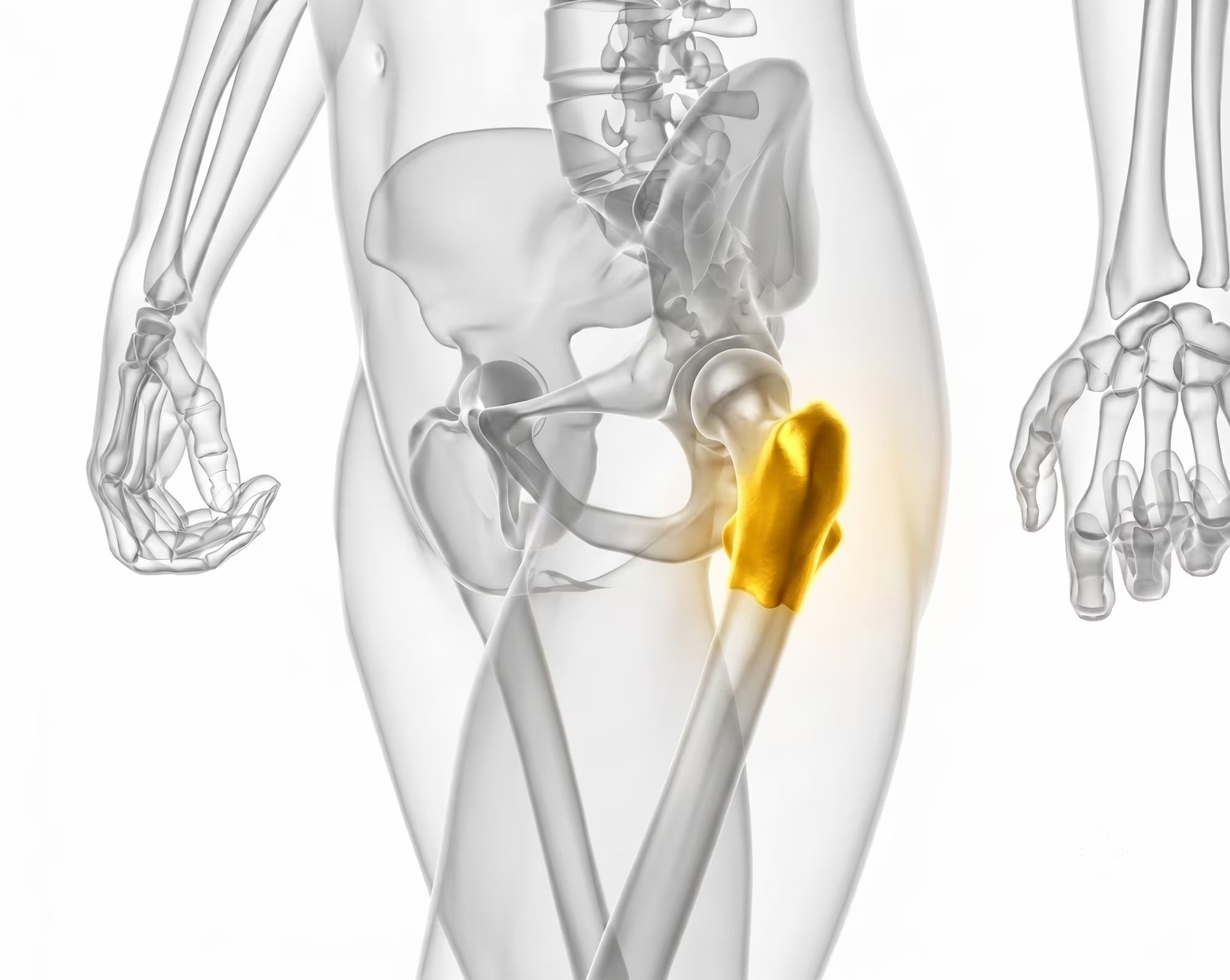
It often causes pain on the side of the hip, especially when walking, climbing stairs, sleeping on one's side, or applying pressure to the area. It may be related to inflammation of tendinous or bursal structures.

It is a progressive wear and tear of the hip joint. It can cause groin pain, stiffness, loss of mobility and difficulty walking, climbing stairs or performing everyday movements.
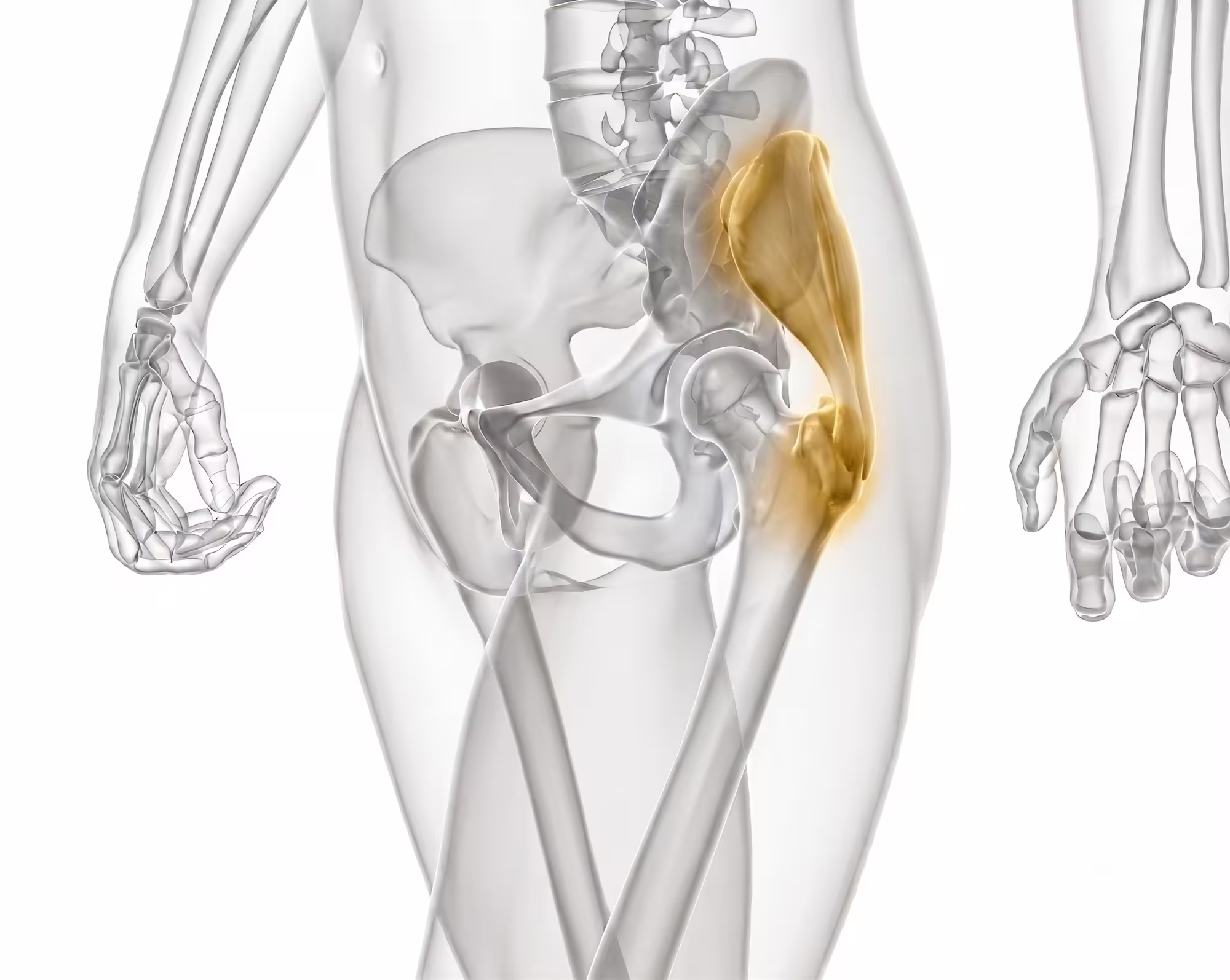
Injuries or strains to the hip tendons can cause lateral pain, discomfort when getting up, difficulty walking or limitations when performing physical activity.
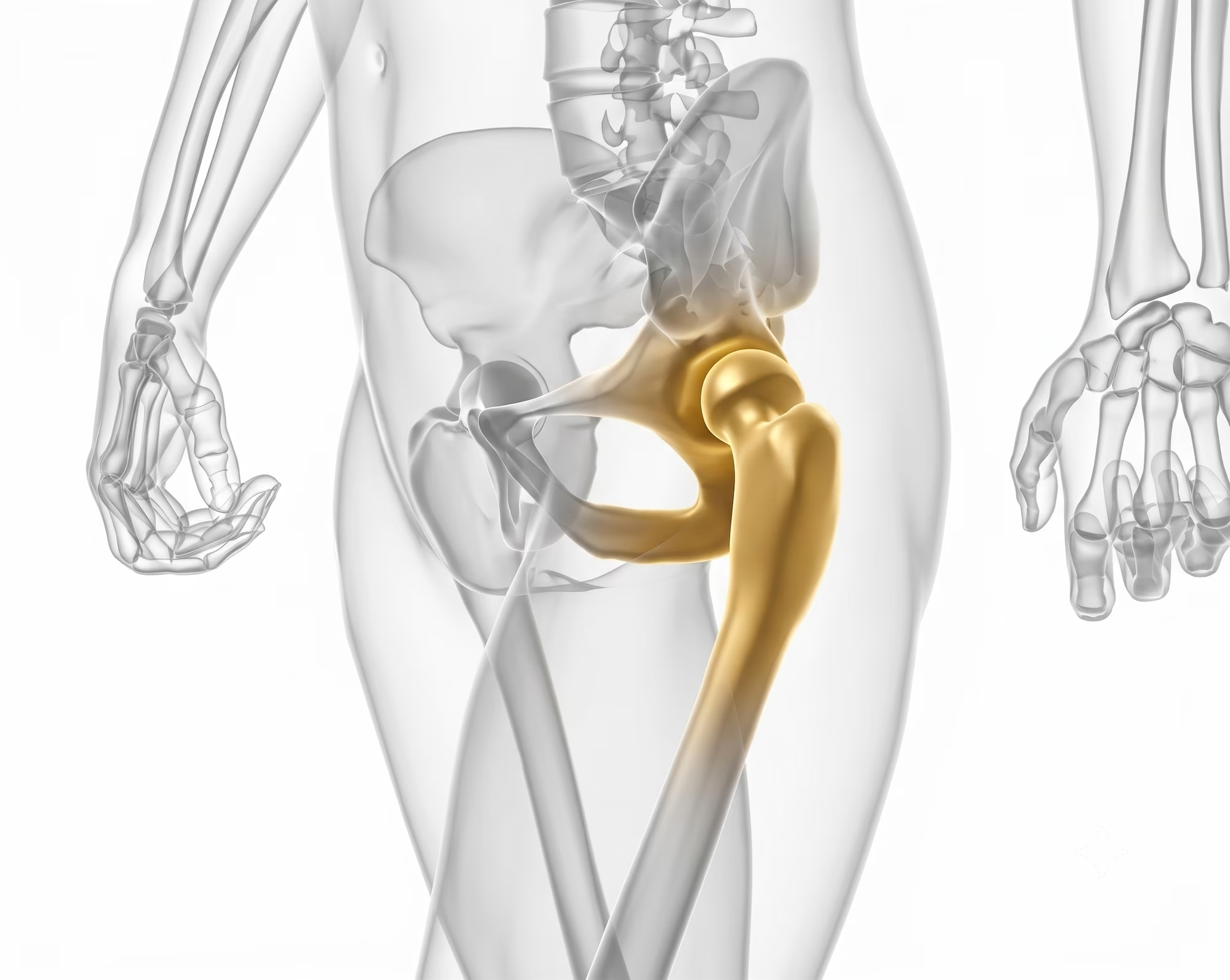
When the pain originates from the joint, it is usually felt in the groin, increases with movement and progressively limits hip mobility.

It's not just pain. It's the way it starts to change the way you move.
The hip is key for walking, climbing stairs, getting up, playing sports or standing. When it hurts, you can change the way you move, avoid activities and lose mobility without realising it.
At the same time, it can also overload other areas of the body such as the spine, subsequently leading to pathologies in that area.
At EONLIFE Clinic we study the origin of the pain and the affected structures to define the most appropriate treatment: biological therapy, physiotherapy, strength training or a combined strategy.
Common symptoms and causes of hip pain
Groin pain
Lateral hip pain
Difficulty walking
Stiffness or loss of mobility
Pain when sleeping on your side
How we assess hip pain
Medical evaluation and examination
Testing and diagnostics
Personalised treatment plan
Recovery tracking
Treatments

Celstem treatment
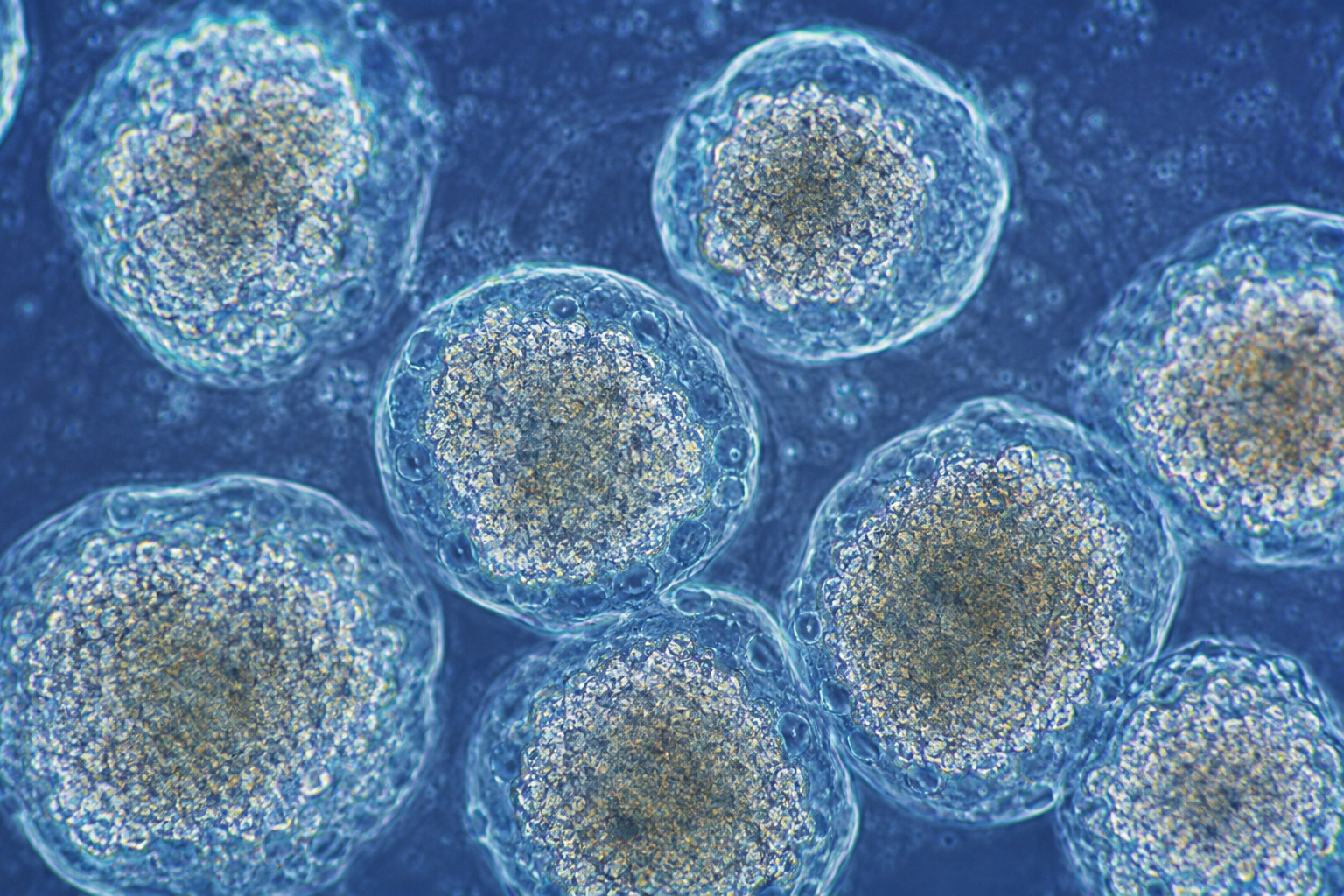
Celplat treatment
What you can expect from the treatment
Understand whether the pain is articular, tendinous or inflammatory
Reduce pain and inflammation
Restore mobility and walking safety
If hip pain is limiting your day-to-day life, don't normalise it: find out what's going on.
Scientific studies
Autologous SVF in hip osteoarthritis
Frequently asked questions
What can cause hip pain?
It can be caused by trochanteritis, hip osteoarthritis, tendinopathies, inflammation of periarticular tissues, joint wear and tear, overload, trauma or gait abnormalities. The exact cause must be assessed in consultation.When should I consult for hip pain?
It is advisable to consult a doctor if the pain lasts for several weeks, limits walking, causes a limp, makes it difficult to climb stairs, prevents sleeping on your side, or does not improve with rest, physiotherapy or conservative treatment.How can I tell if it is trochanteric bursitis or osteoarthritis of the hip?
Trochanteric bursitis usually causes pain on the side of the hip, which can increase when touching the area or sleeping on one's side. Hip osteoarthritis usually causes pain more related to movement of the joint, stiffness and progressive difficulty in walking or performing everyday tasks. Medical assessment and imaging tests help to differentiate them.Can regenerative medicine avoid surgery?
In some cases it can be an alternative to consider before more invasive options, but it depends on the diagnosis, the degree of injury, mobility, pain and the characteristics of the patient.What treatments can be used for hip pain?
Depending on the case, physiotherapy, therapeutic exercise, growth factors, platelet-rich plasma, stem cells or other medical strategies may be considered. The indication depends on the type of injury and the medical assessment.How long does hip pain take to improve?
It depends on the origin of the pain, the degree of injury and the state of the tissue. Some injuries improve in a few weeks, while others require more time, monitoring and active recovery work.
Some ultimately require surgery.