

Shoulder pain
Shoulder pain can be caused by inflammation, wear and tear, or tendon injuries, and can limit everyday movements. At EONLIFE Clinic, we investigate its origin to reduce pain, improve mobility, and restore function.
Reduce pain and inflammation
Regain mobility
Evaluate options
Common pathologies related to shoulder pain
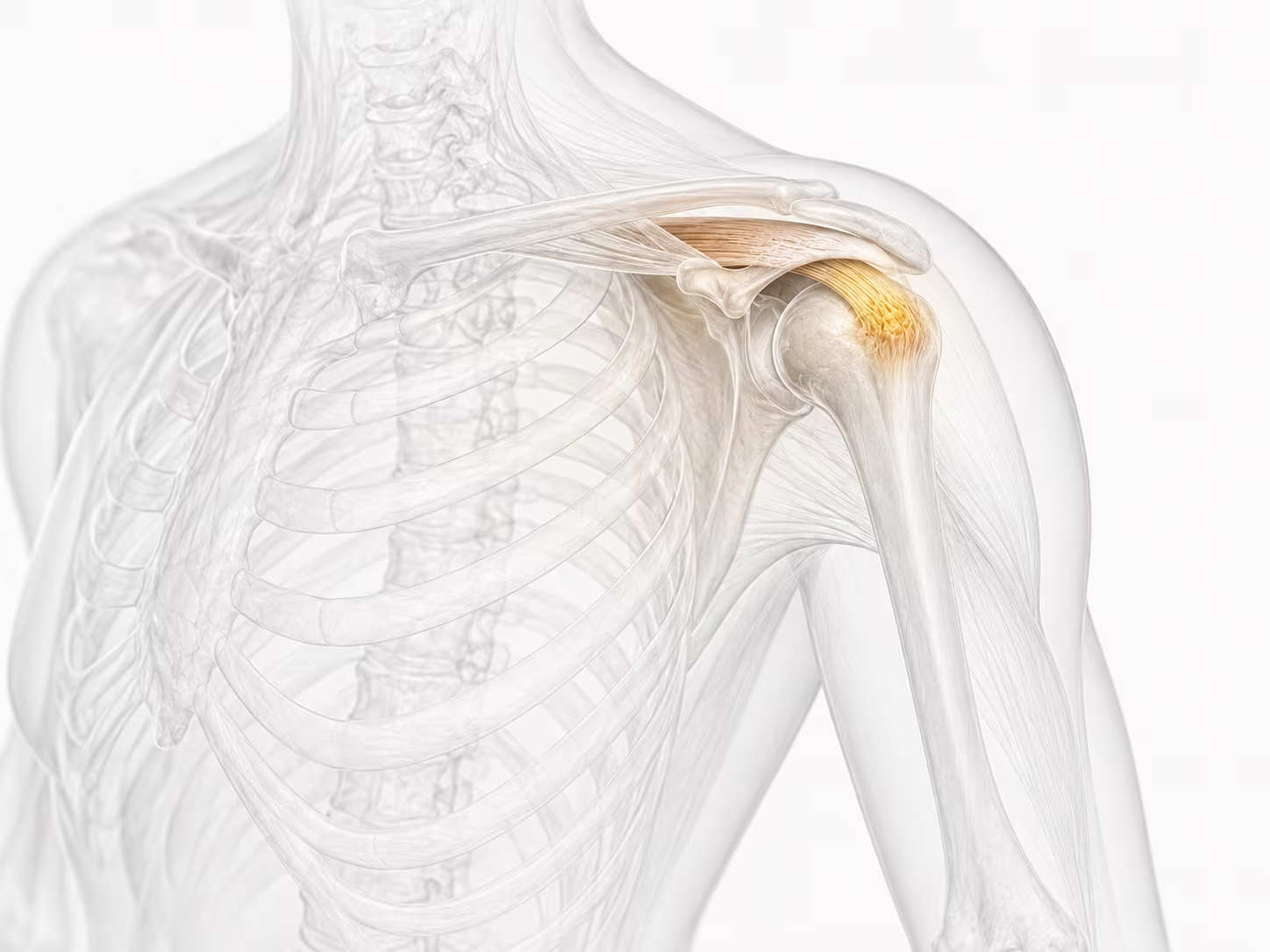
Injury or degeneration of the tendon which can cause pain when lifting the arm, exerting force, playing sports or repeating certain movements.
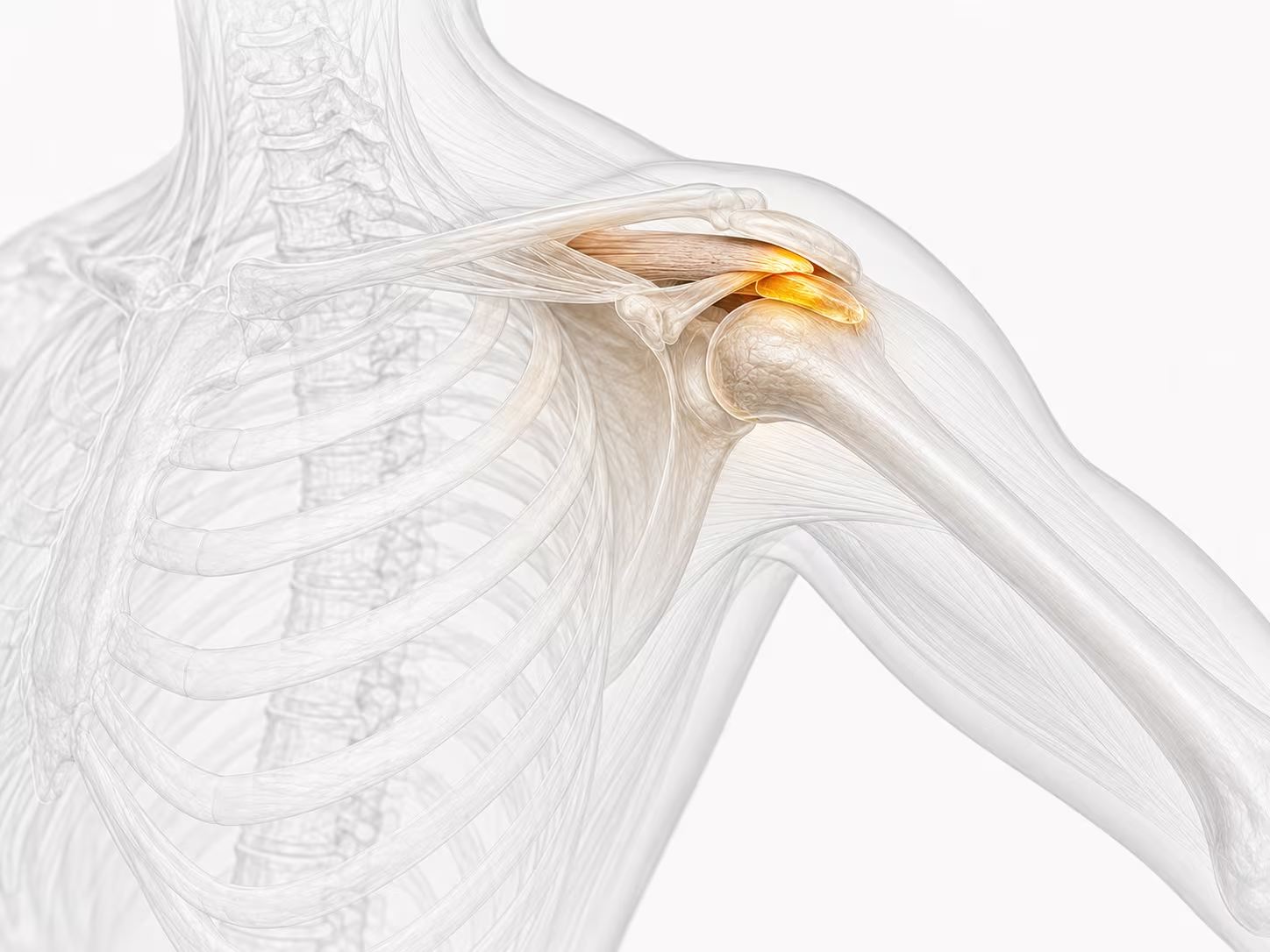
It occurs when there is conflict or irritation in the subacromial space. It can cause pain when raising the arm, functional limitation and night-time discomfort.
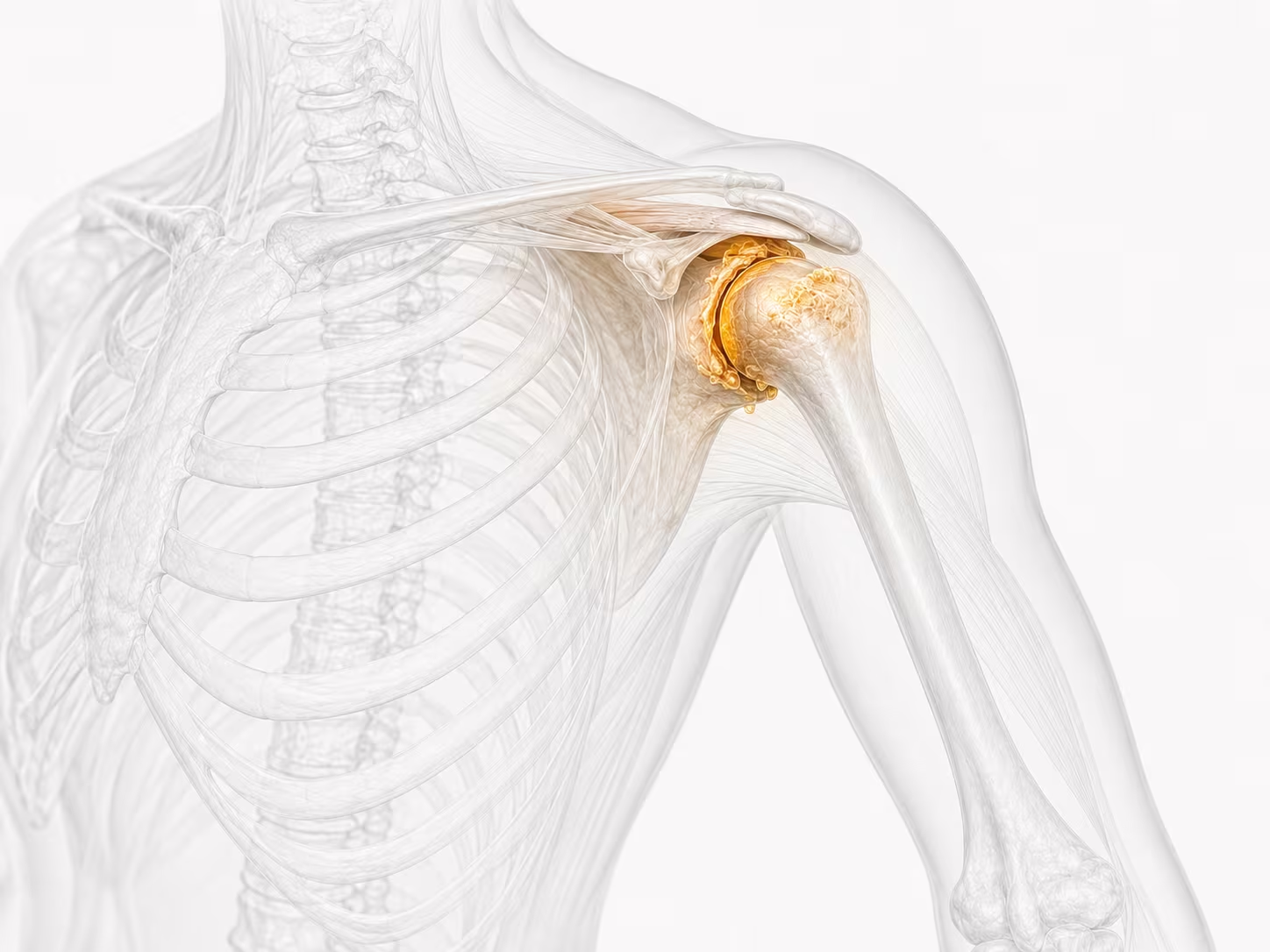
Progressive wear and tear of the joint that can cause pain, stiffness, loss of mobility and difficulty in making wide arm movements.
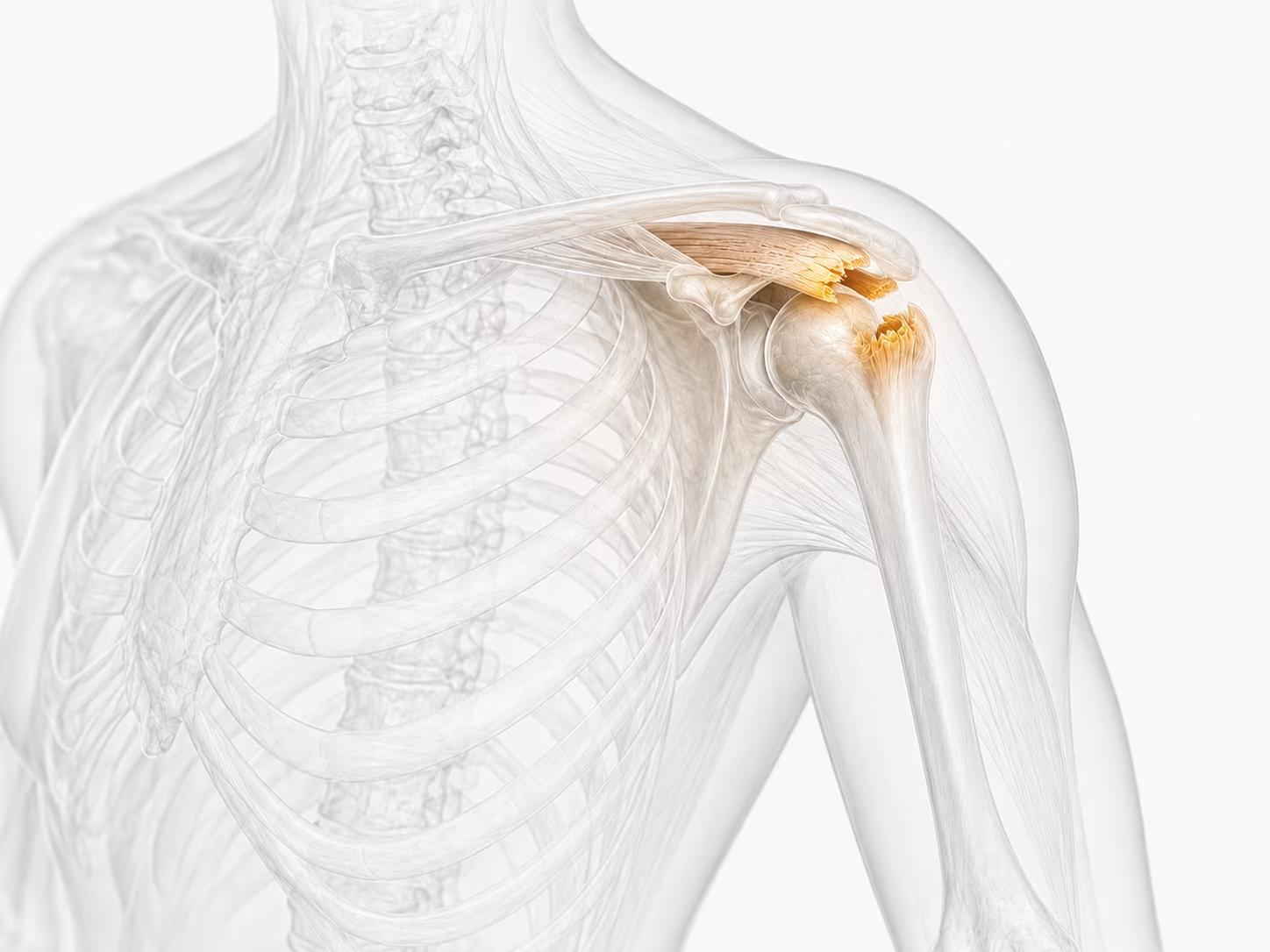
Injury to the tendons that stabilise and move the shoulder. It can cause pain, loss of strength, difficulty lifting the arm and limitation in daily or sporting activities.

The exact same shoulder pain can require very different treatments.
The shoulder is involved in everyday movements such as getting dressed, driving or lifting heavy objects. When pain persists or limits mobility, it is important to identify the cause, as tendinitis, a tear or osteoarthritis require different approaches.
At EONLIFE Clinic, we study the tissue condition and characteristics of each patient and take into account previous treatments to assess biological therapy, specific physiotherapy or a combined strategy.
Common symptoms and causes of shoulder pain
Pain when lifting the arm
Night-time pain or when sleeping on your side
Loss of strength
Stiffness or loss of mobility
Pain after sports, impact or awkward movement
How we assess shoulder pain
Medical evaluation and examination
Testing and diagnostics
Personalised treatment plan
Recovery tracking
Treatments that can be considered
Platelet-rich plasma (PRP)
What you can expect from the treatment
The progress depends on the type of injury, the degree of involvement, how long the pain has lasted, the condition of the tissue and the patient's commitment to recovery. That is why we work with realistic goals and medical follow-up.
Understand which structure is affected
Reduce pain and inflammation
Regain mobility, strength and function
If shoulder pain is limiting your day-to-day life, don't normalise it: find out what's going on
Frequently asked questions
What can cause shoulder pain?
It can be caused by tendinitis, tendinosis, subacromial syndrome, osteoarthritis, bursitis, rotator cuff injuries, sports overload, impacts, dislocations or repetitive movements. The exact cause must be assessed during a consultation.
When should I seek medical advice for shoulder pain?
It is advisable to consult a doctor if the pain lasts for several weeks, limits mobility, prevents sleep, appears when raising the arm, reduces strength or does not improve with rest, physiotherapy or conservative treatment.
What is the difference between tendinitis and a rotator cuff tear?
Tendinitis or tendinosis involves inflammation or degeneration of the tendon. A rotator cuff tear involves a partial or complete injury to the tendons that stabilise and move the shoulder. Although they can cause similar symptoms, the prognosis and treatment may differ.
Can regenerative medicine avoid surgery?
It cannot be guaranteed. In some cases it can be an alternative to consider before more invasive options, but it depends on the diagnosis, the degree of injury, mobility, pain and the patient's response.
What treatments can be used for shoulder pain?
Depending on the case, physiotherapy, therapeutic exercise, growth factors, platelet-rich plasma, stem cells or other medical strategies may be considered. The indication depends on the type of injury and the medical assessment.
How long does it take for shoulder pain to improve?
It depends on the origin of the pain, the degree of injury and the state of the tissue. Some injuries improve in a few weeks, while others require more time, monitoring and active recovery work.