
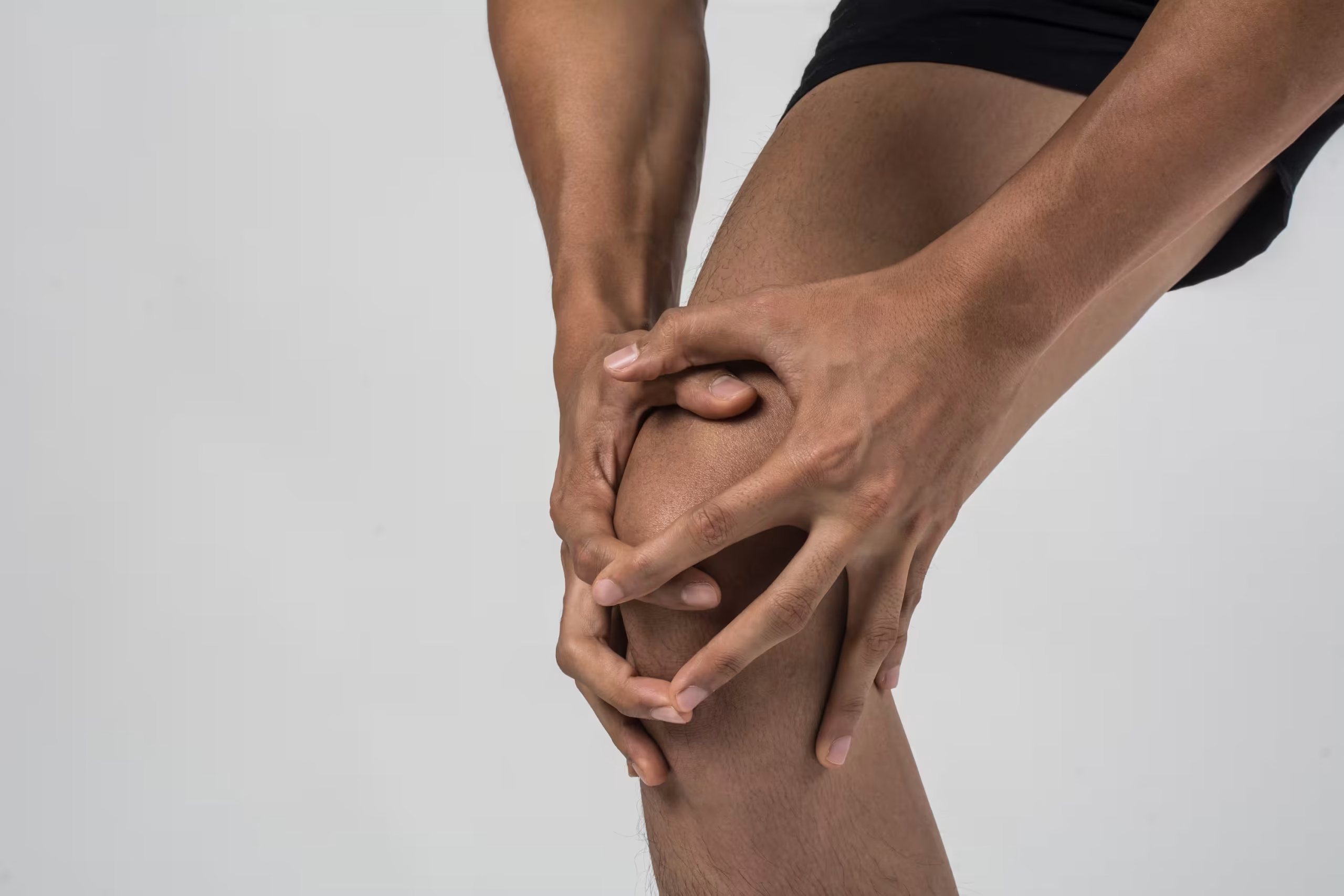
Knee pain
Knee pain can occur when walking, climbing stairs, running or getting up, limiting mobility and physical activity.At Eonlife Clinic we study its origin to reduce inflammation, improve function and restore movement with a personalised treatment.
Reduce pain and inflammation
Improve mobility and stability
Weighing up options before surgery
Common pathologies related to knee pain
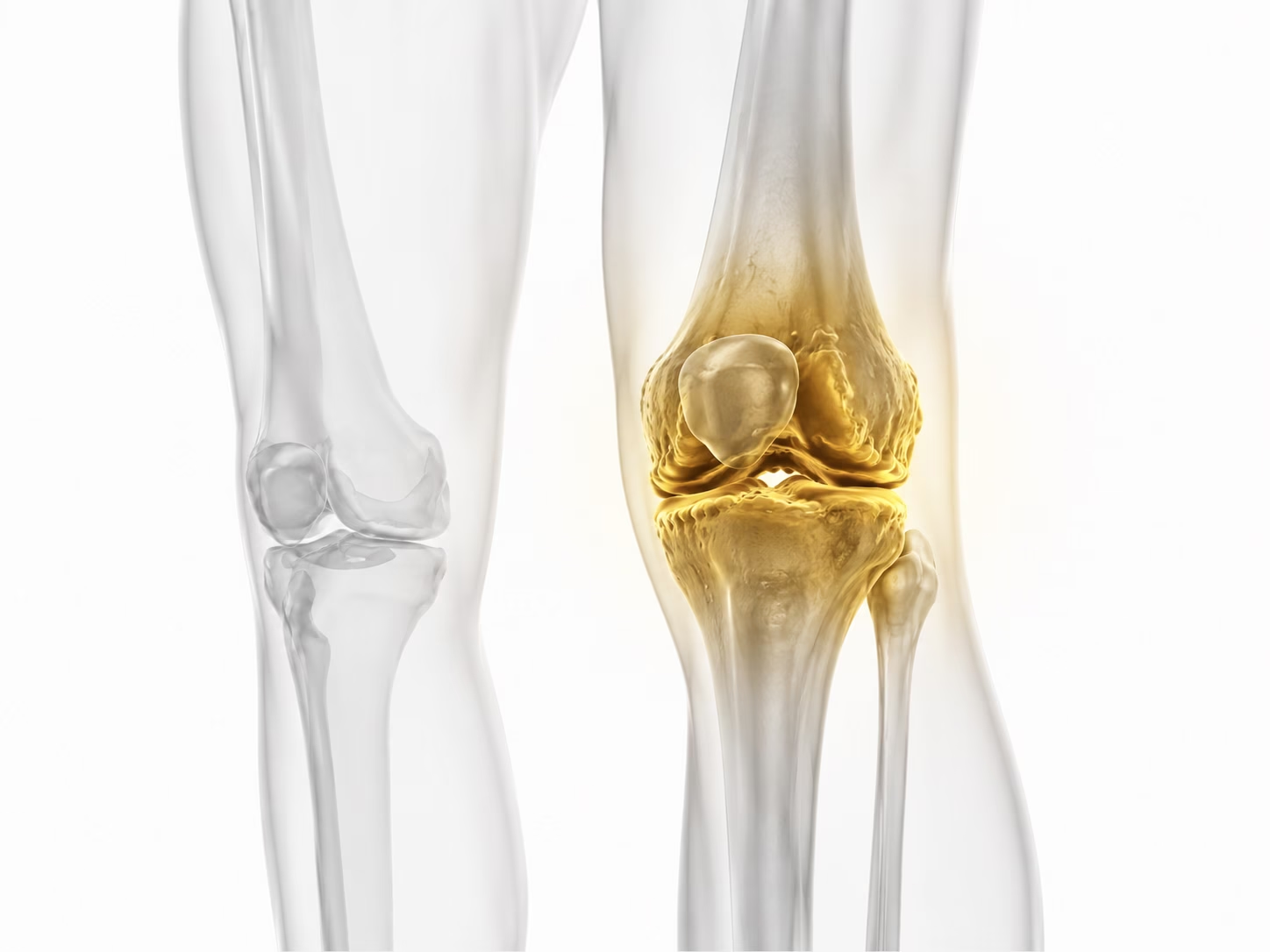
Progressive wear and tear of the joint that can cause pain, stiffness, swelling and difficulty walking, climbing stairs or doing physical activity.

They affect the knee cartilage and can cause pain, inflammation, a locking sensation, limited movement or discomfort when weight-bearing.

Injuries or strains of the knee tendons. They can cause pain when running, jumping, climbing stairs, squatting or resuming sporting activity.

Meniscus injuries or degeneration that can cause pain, swelling, locking, clicking or a feeling of instability when moving the knee.

They can appear after a twist, fall or sports injury. In some cases they cause pain, instability, inflammation or a lack of confidence when putting weight on the leg.

The knee does not just bear weight. It also sustains a large part of your independence.
The knee is involved when walking, climbing stairs, bending down, driving or playing sports. When it hurts, you can move less, overload the other leg and lose strength, stability and confidence.
Pain can have different origins, which is why at Eonlife Clinic we evaluate your case and the affected structures to define the most appropriate treatment: biological therapy, physiotherapy, strength training or a combined strategy.
Common symptoms and causes of knee pain
Pain when going up or down stairs
Pain when walking or running
Stiffness or loss of mobility
Bloating or feeling of pressure
Locking, clicking or instability
How we assess knee pain
Medical evaluation and examination
Testing and diagnostics
Personalised treatment plan
Recovery tracking
What you can expect from the treatment
The progress depends on the type of injury, the degree of involvement, how long the pain has lasted, the condition of the tissue and the patient's commitment to recovery. That is why we work with realistic goals and medical follow-up.
Understand which structure is affected
Reduce pain and inflammation
Restore mobility, strength and stability
If knee pain limits your day-to-day life, do not normalise it: find out what is going on
Scientific studies
SVF for knee osteoarthritis: systematic review
SVF for knee osteoarthritis: prospective clinical trial
Frequently asked questions
What can cause knee pain?
It can be caused by osteoarthritis, cartilage lesions, meniscal disorders, tendinopathy, ligamentous injuries, inflammation, overload, trauma, or joint wear and tear. The exact cause must be assessed during a consultation.
When should I consult for knee pain?
It is advisable to consult a doctor if the pain lasts for several weeks, limits walking, makes it difficult to climb stairs, causes swelling, locking, or instability, or does not improve with rest, physiotherapy, or conservative treatment.
How do I know if my knee pain could be osteoarthritis?
Osteoarthritis usually causes pain when walking, climbing stairs or performing everyday movements, as well as stiffness and a progressive loss of mobility. To confirm it, a medical assessment and imaging tests such as an X-ray or MRI are necessary.
Can regenerative medicine avoid surgery?
It cannot be guaranteed. In some cases it can be an alternative to consider before more invasive options, but it depends on the diagnosis, the degree of injury, mobility, pain and the patient's characteristics.
What treatments can be used for knee pain?
Depending on the case, physiotherapy, therapeutic exercise, growth factors, platelet-rich plasma, stem cells or other medical strategies may be considered. The indication depends on the type of injury and the medical assessment.
How long does knee pain take to improve?
It depends on the origin of the pain, the degree of injury and the state of the tissue. Some injuries improve in a few weeks, while others require more time, monitoring and active recovery work.