
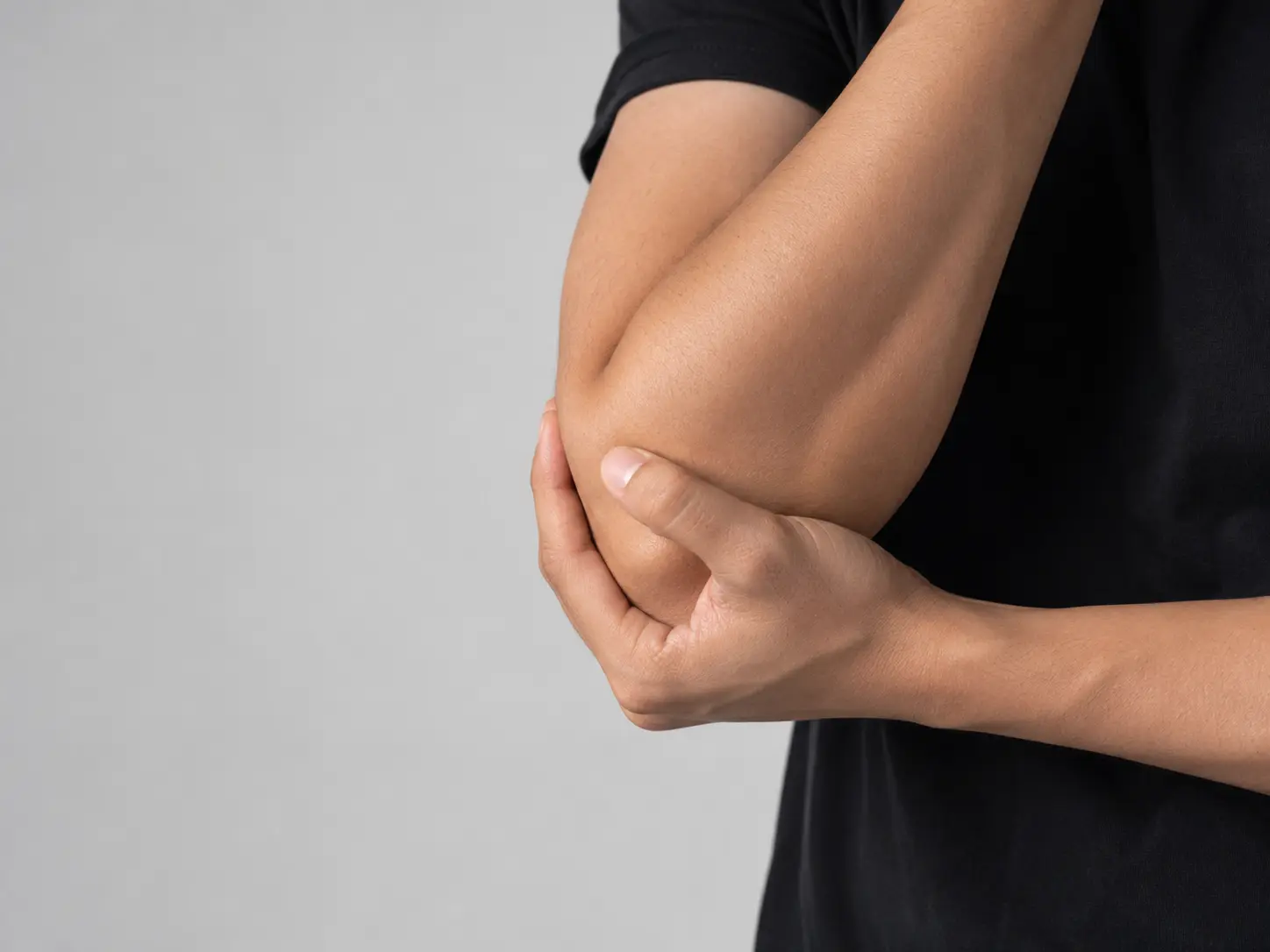
Elbow pain
Elbow pain can occur due to overload, repetitive movements, tendon injuries, inflammation or joint wear and tear. At Eonlife we study the origin of the pain to assess whether a biological treatment can help you reduce inflammation and move again with more confidence.
Reduce pain
Recover arm function
Consider a less invasive alternative
Common pathologies related to elbow pain
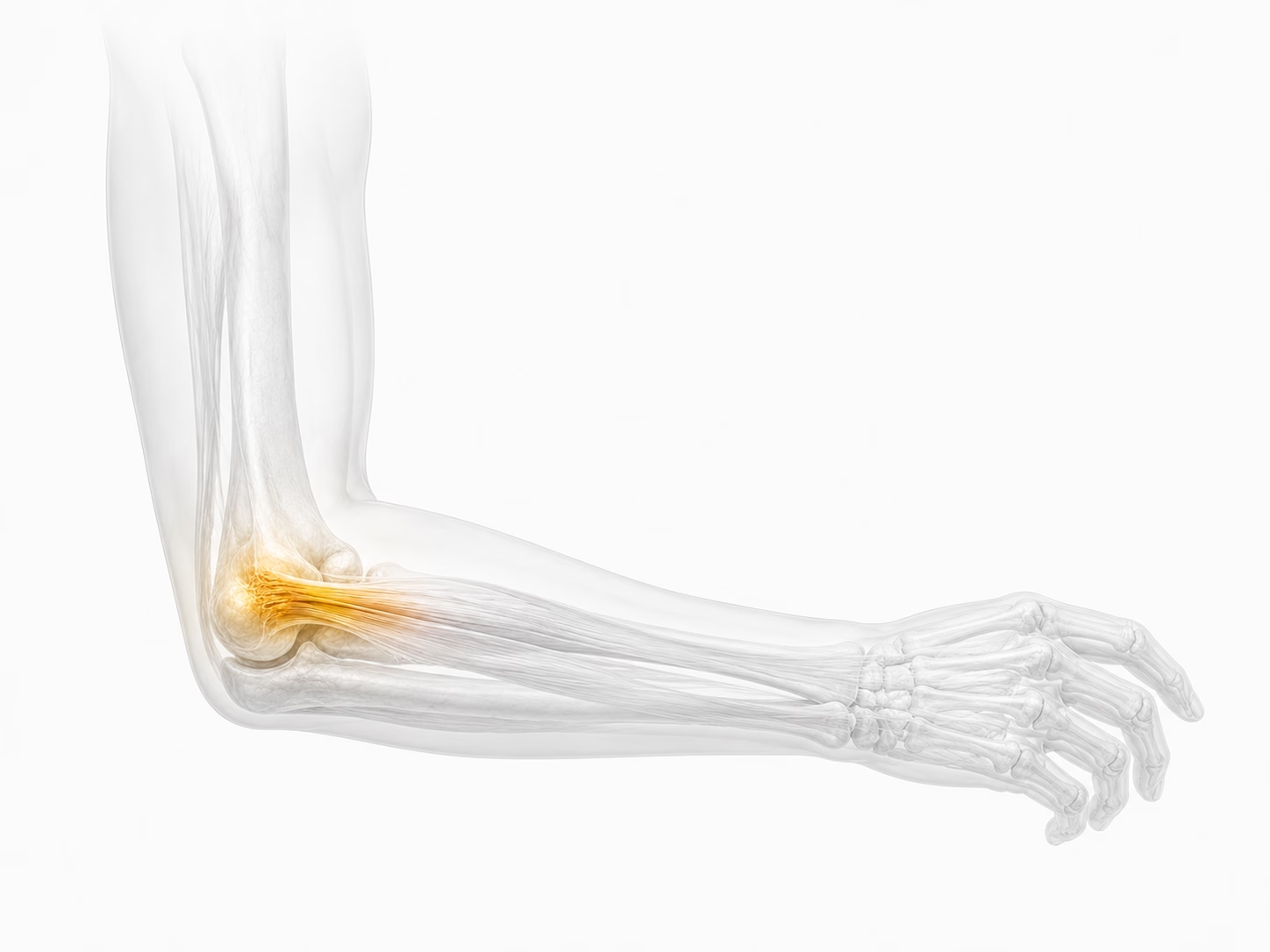
Also known as tennis elbow. It usually occurs due to overload of the tendons on the outside of the elbow and can cause pain when gripping, lifting heavy weights or playing racquet sports.
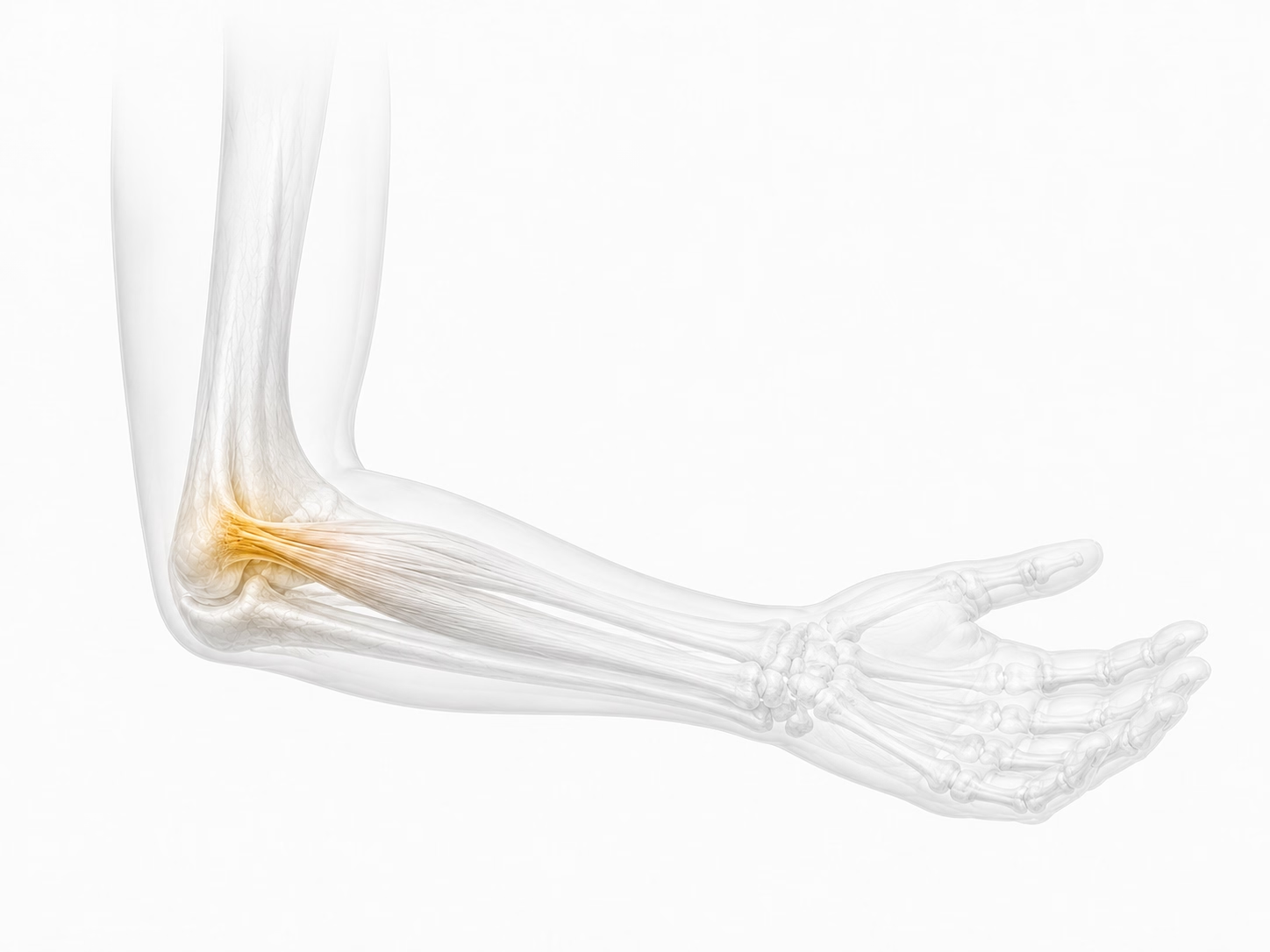
Also known as golfer's elbow. It affects the inner side of the elbow and can cause pain when flexing the wrist, closing the hand, or making repetitive movements.

Inflammation of the bursa located at the back of the elbow. It can cause swelling, tenderness and discomfort when resting or moving the joint.
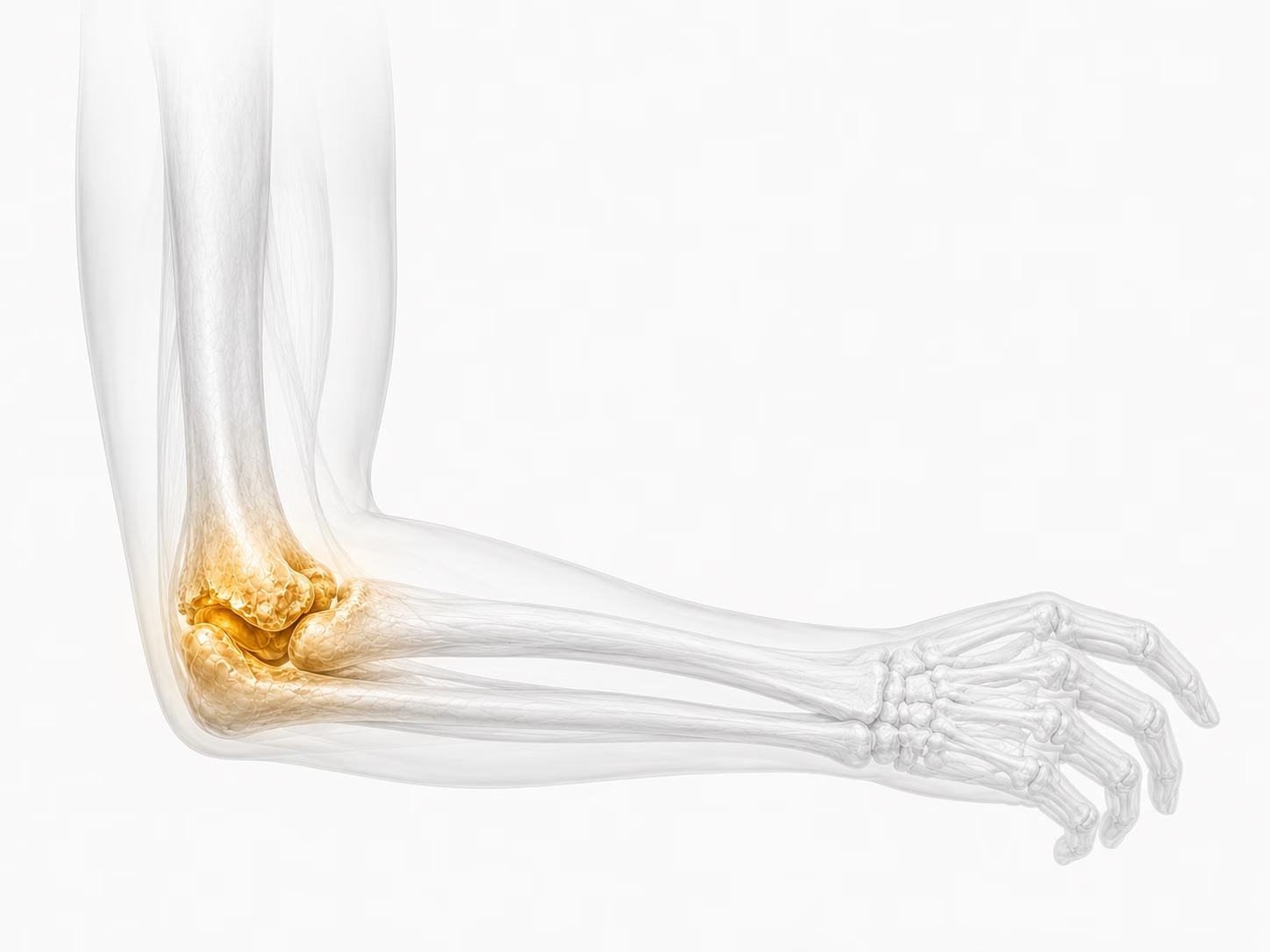
Joint wear and tear that can cause stiffness, pain, loss of mobility and difficulty carrying out everyday movements normally.
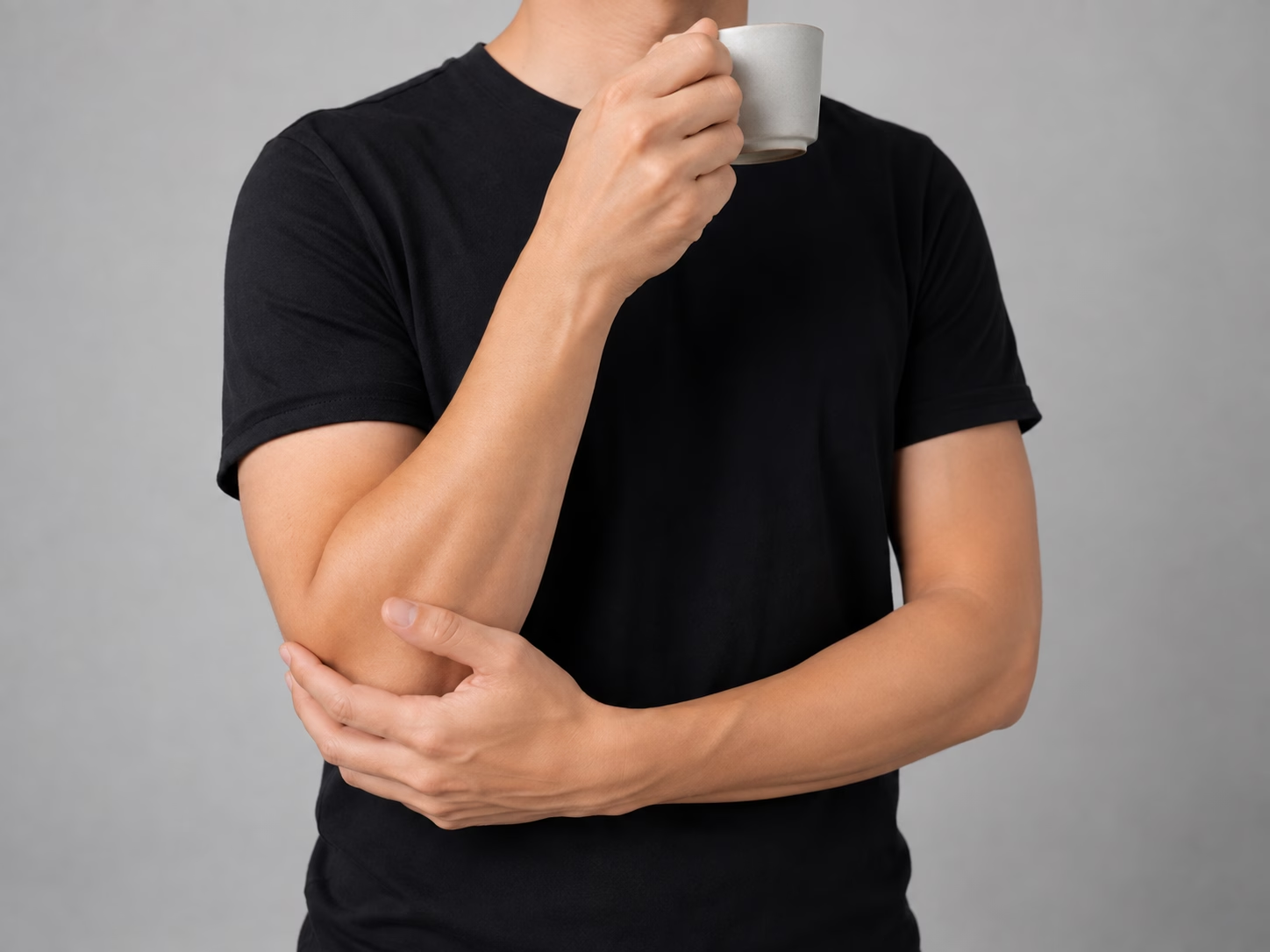
A small pain can limit you much more than it seems
The elbow is involved in many everyday movements. When pain persists, it can reduce strength, limit movement, and cause you to avoid certain activities. Identifying whether the origin lies in the tendon, the joint, or wear and tear makes it possible to assess a personalised biological approach.
Common symptoms and causes
Pain when gripping or lifting weights
Discomfort when flexing or extending the elbow
Loss of strength
Repetitive strain injury
Local inflammation or tenderness
Each pain can have a different cause.
Medical evaluation and examination
Testing and diagnostics
Personalised treatment plan
Recovery tracking
Available treatments for elbow pain
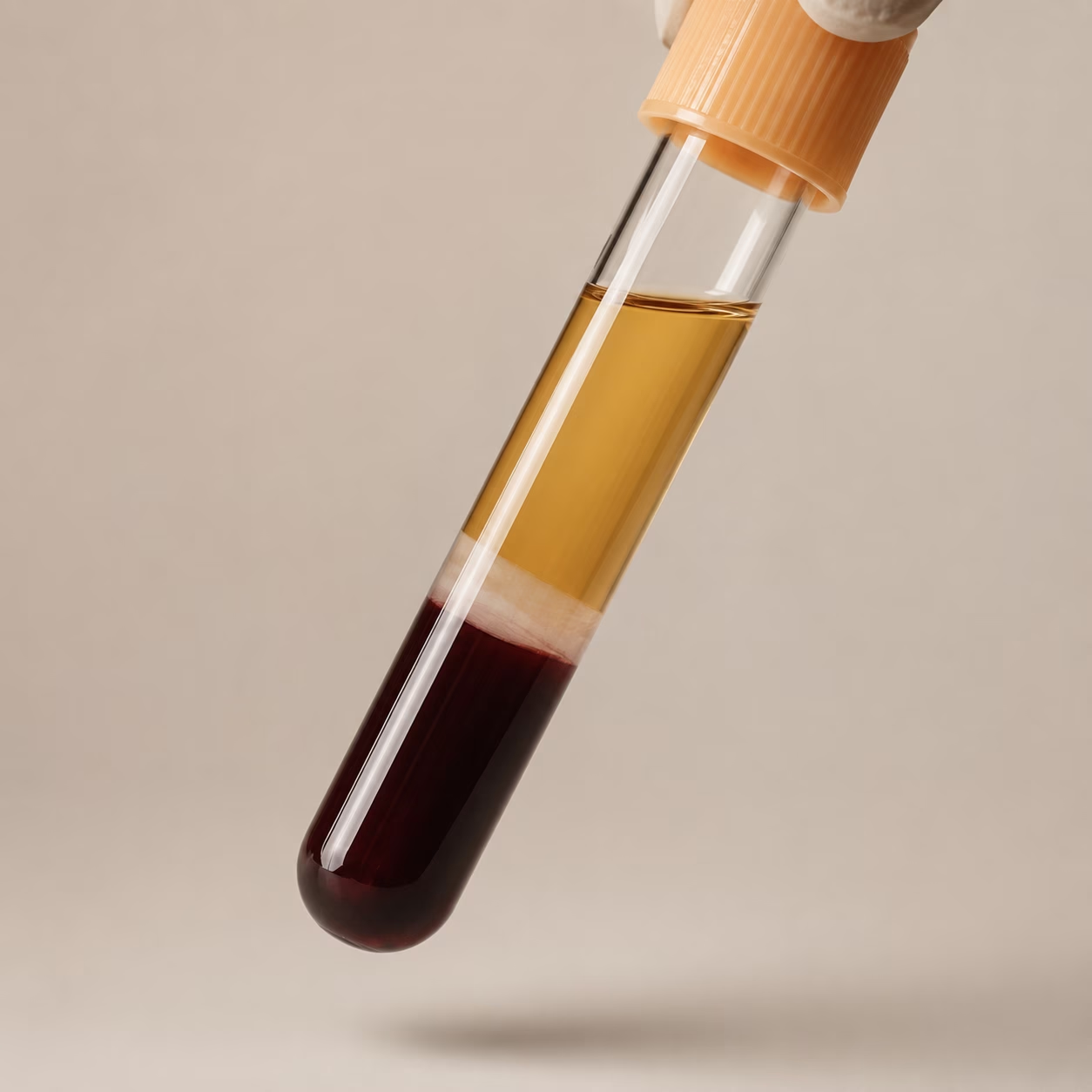
Platelet-rich plasma (PRP)
What you can expect from the treatment
Recovery depends on the type of injury, how long you have had pain, the condition of the tissue and your involvement in the recovery process. The goal is to work on the cause of the pain and support a progressive return to function.
Understanding the starting point
Progressive reduction of pain
Gradual return to activity
If elbow pain is limiting your day-to-day life, do not normalise it: find out what is going on.
Frequently asked questions
What can cause elbow pain?
It may be due to tendon injuries such as epicondylitis or epitrochleitis, bursitis, osteoarthritis, overload from repetitive movements, trauma or joint wear and tear. The exact cause must be assessed with a medical examination.
When should I consult a doctor if I have elbow pain?
It is advisable to consult a doctor if the pain lasts for weeks, limits your daily or sporting activity, reduces your strength, causes swelling or does not improve with rest, physiotherapy or other conservative measures.
What treatments can be considered?
It depends on the diagnosis. In some cases, biological treatments such as platelet-rich plasma or stem cells can be considered, in addition to physiotherapy, therapeutic exercise, load management and medical follow-up.
Do biological therapies work for any elbow pain?
Not all elbow pain improves with biological treatments. It is necessary to study the origin of the pain, the condition of the tissue, the duration of the evolution and previous treatments before prescribing a biological therapy.
Will I be able to play sports again?
The aim is to restore function and reduce pain in order to return progressively to activity, but the timeframe and outcome depend on the type of injury, tissue healing and the recovery plan.