

Wrist or hand pain
At EONLIFE Clinic we study the origin of the pain to assess which treatment can help reduce inflammation, improve wrist functionality and encourage a safer, more personalised recovery.
Reduce pain and inflammation
Restore hand functionality in everyday or sports gestures
Evaluating an alternative before more invasive options
Common pathologies related to wrist pain
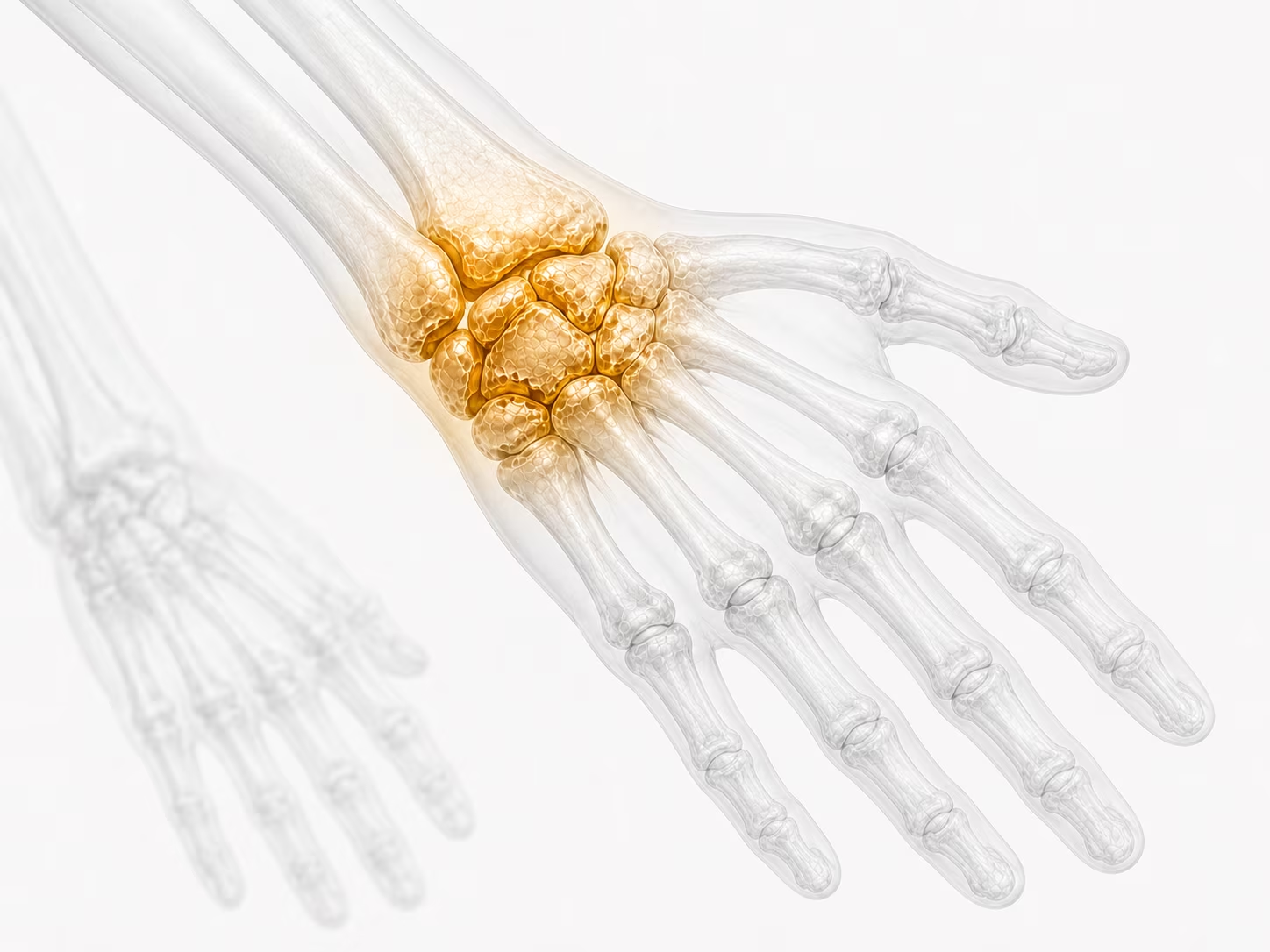
Progressive wear and tear of the joint that can cause pain, stiffness, loss of mobility and difficulty using the hand normally.

Minor injuries to tendons, ligaments or joint structures can cause persistent pain, inflammation and loss of strength in the wrist.
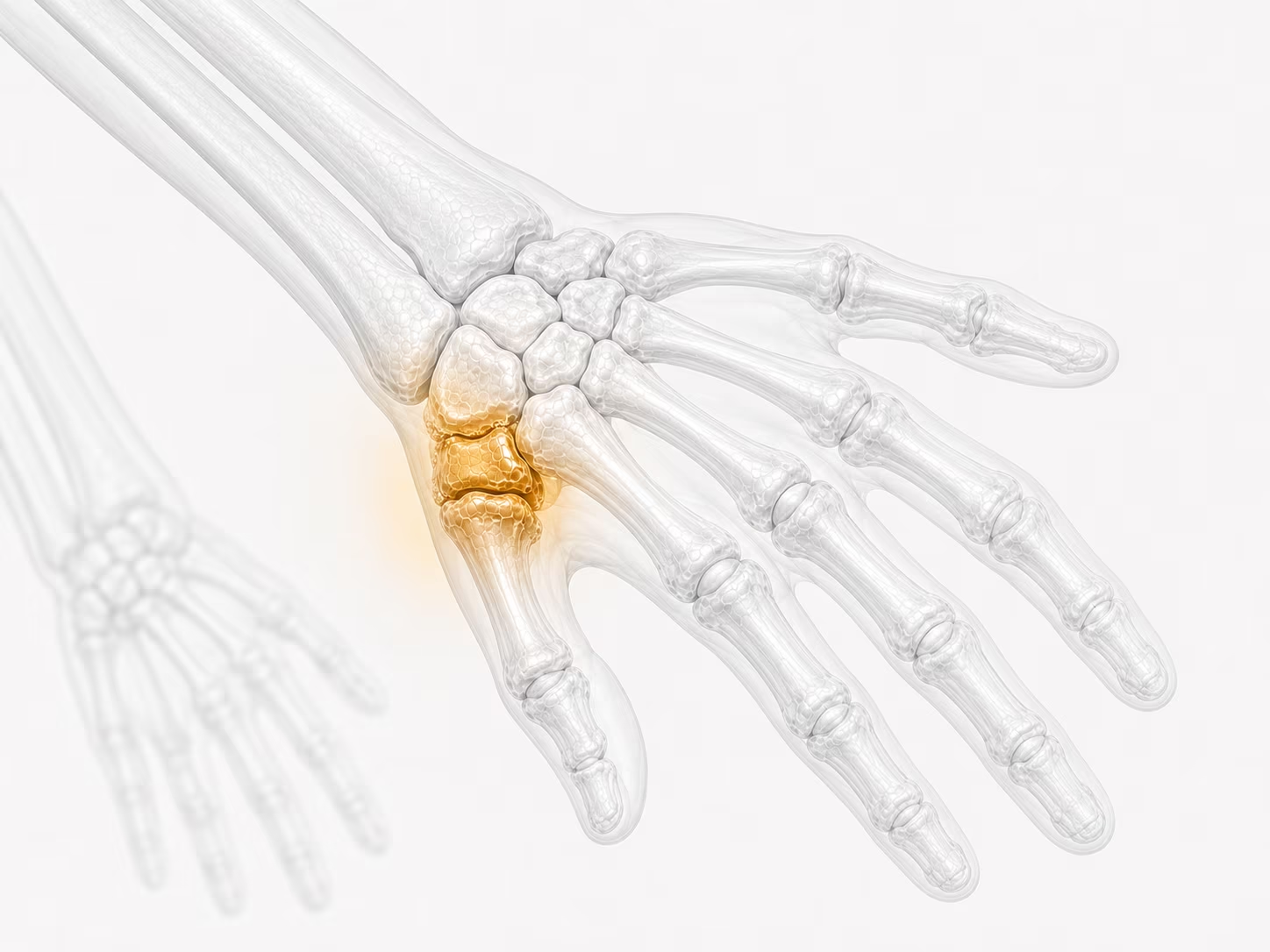
Wear and tear of the joint at the base of the thumb. It can cause pain, stiffness and a loss of strength when gripping or twisting objects.
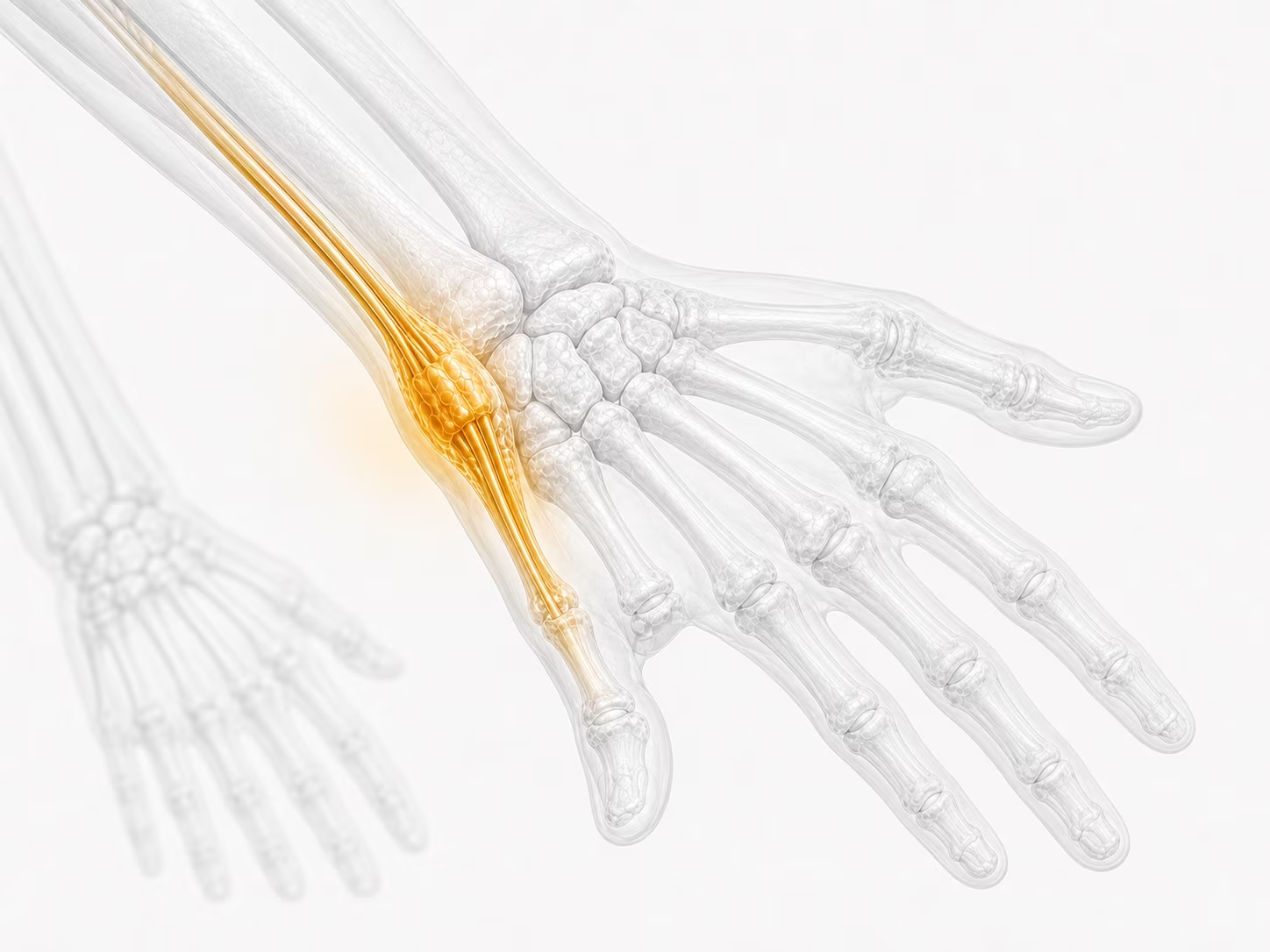
Inflammation of the tendons located in the area of the thumb and wrist. It can cause pain when gripping, twisting the wrist, picking up objects, or performing repetitive hand movements.
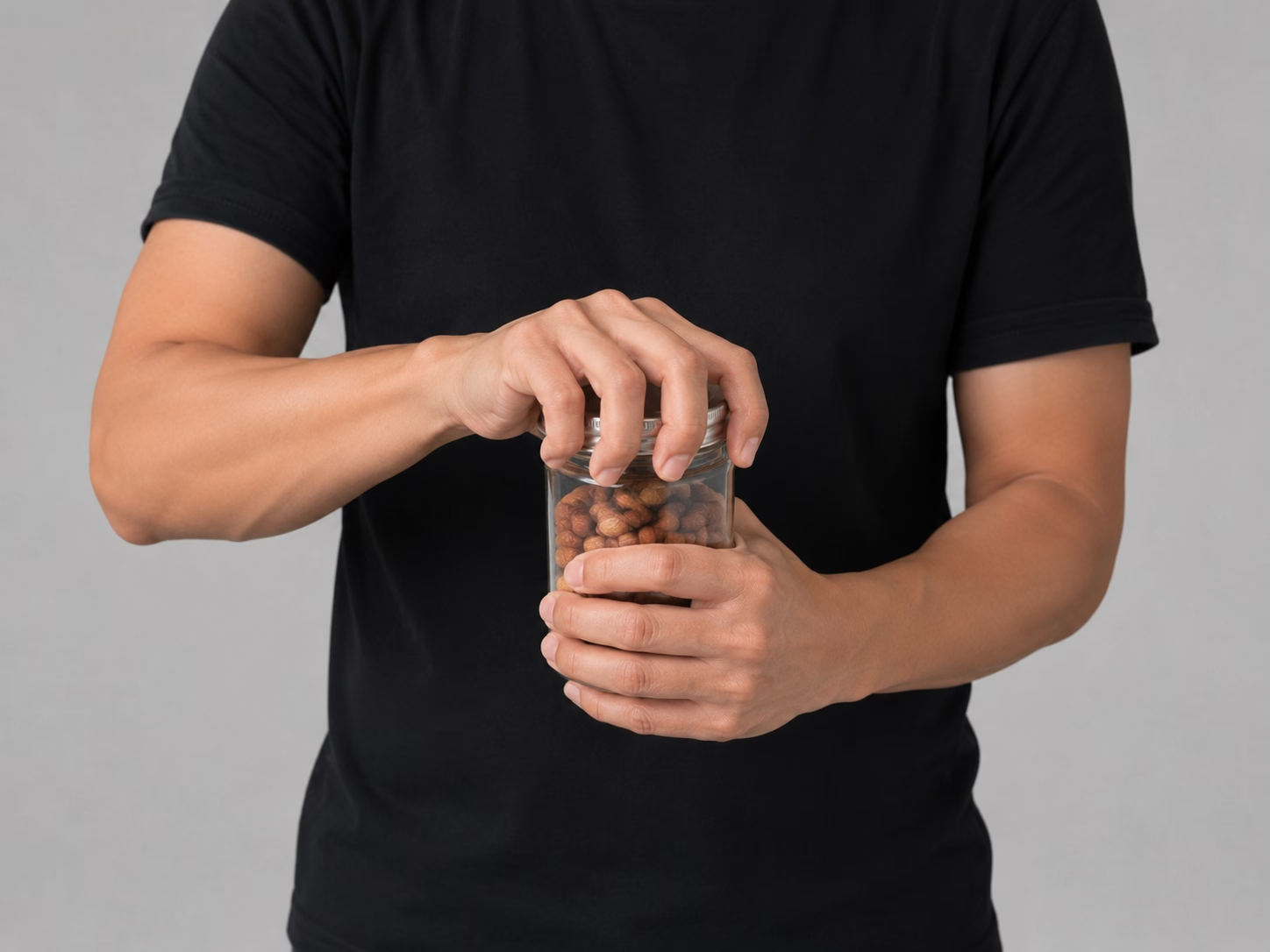
Identifying the origin of the pain is the first step in treating it.
The wrist takes part in many everyday movements, from opening a jar to writing or using a mobile phone.
When the pain persists or limits daily activity, it is essential to identify its origin, since tendinitis, osteoarthritis, an overload or a joint injury are not treated in the same way.
At EONLIFE Clinic, we study its cause in order to assess biological therapy, specific physiotherapy, or a combined strategy.
Common symptoms and causes of wrist pain
Pain when gripping or lifting heavy objects
Wrist pain when twisting
Pain near the thumb
Stiffness or loss of mobility
Inflammation or feeling of weakness
How we assess wrist pain
Medical evaluation and examination
Testing and diagnostics
Personalised treatment plan
Recovery tracking
Treatments that can be considered
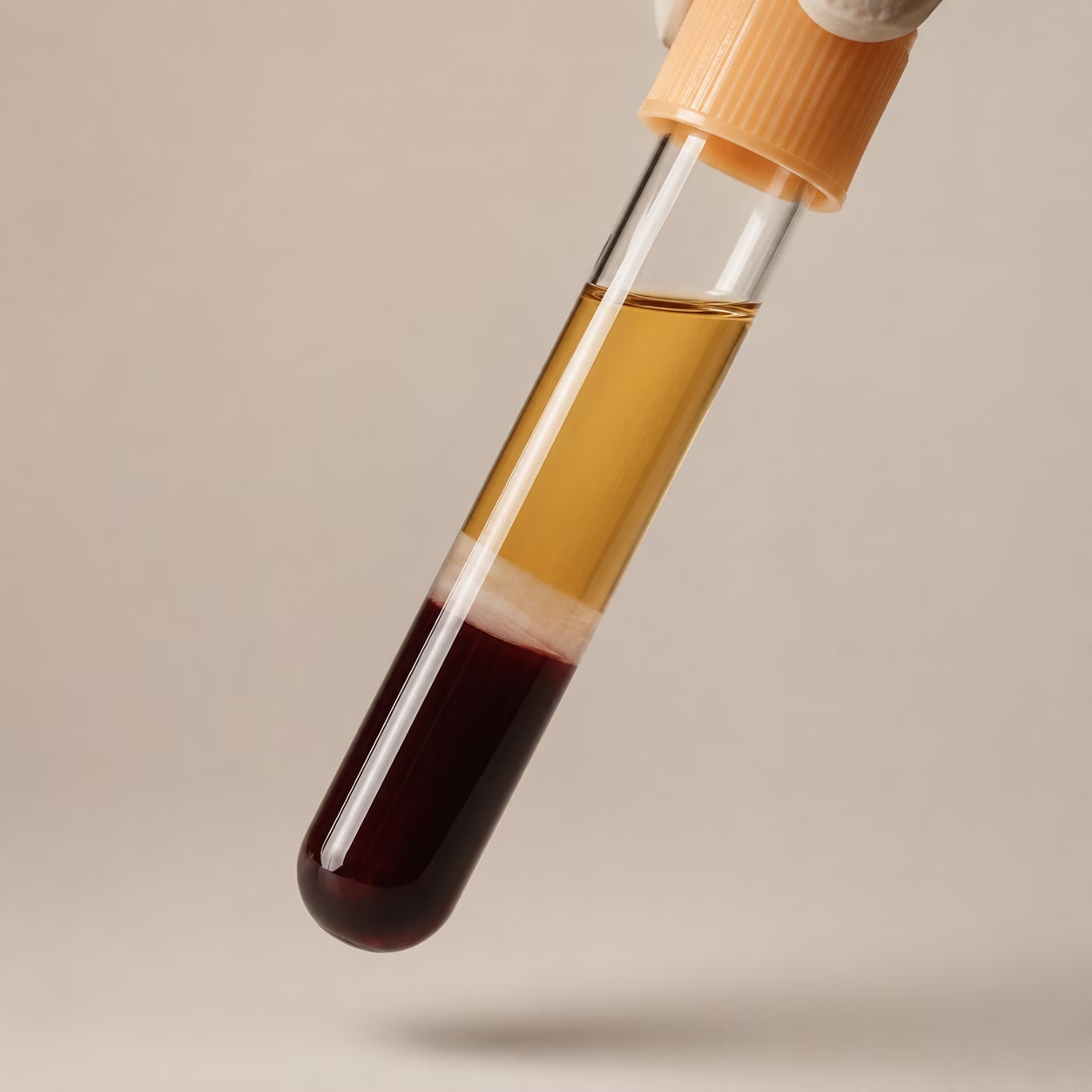
Platelet-Rich Plasma (PRP): stimulates natural tissue repair
What you can expect from the treatment
The evolution depends on the type of injury, how long the pain has been present, the state of the tissue, the degree of inflammation and the patient's involvement in the recovery. That is why we work with realistic objectives and medical monitoring.
Identify the source of the pain
Reduce inflammation and pain
Restore function and precision
If wrist pain is limiting your day-to-day life, do not just accept it as normal: find out what is going on
Frequently asked questions
What can cause wrist pain?
It can be caused by osteoarthritis, de Quervain's tenosynovitis, repetitive strain injury, joint injuries, tendon inflammation, trauma or intensive use of the hand and wrist. The exact cause must be evaluated in a consultation.When should I seek medical advice for wrist pain?
It is advisable to consult a doctor if the pain lasts for several weeks, limits mobility, prevents working, makes it difficult to grip objects, is accompanied by inflammation, or does not improve with rest, physiotherapy, a wrist brace, or conservative treatment.What is de Quervain's tenosynovitis?
It is an inflammation of the tendons that pass through the thumb and wrist area. It can cause pain when gripping objects, moving the thumb, twisting the wrist or making repetitive hand movements.Can regenerative medicine avoid surgery?
It cannot be guaranteed. In some cases it can be an alternative to consider before more invasive options, but it depends on the diagnosis, the degree of injury, the evolution of the pain and the patient's response.What treatments can be used for wrist pain?
Depending on the case, physiotherapy, therapeutic exercise, growth factors, platelet-rich plasma, stem cells or other medical strategies may be considered. The indication depends on the type of injury and the medical assessment.How long does it take for wrist pain to improve?
It depends on the origin of the pain and the state of the tissue. Some injuries improve in a few weeks, while others require more time and monitoring. Recovery is usually progressive and may require active work on the part of the patient.